
Keep Your Home Cozy: Your Guide to Heater Filter Replacement
A dusty, clogged heater filter means your system is working overtime, your air quality is suffering, and your energy bills are climbing. Swapping out your filter every 1 to 3 months is a small task that makes a big difference, keeping your heating system running smoothly, saving you money, and helping you breathe easier by trapping dust, pollen, and other airborne irritants. This guide will walk you through why regular filter changes are a must, the different filter types available, when to change them, how to do it yourself, what to expect cost-wise in the Fort Bend area, and when it’s best to call the pros at Lazarine A/C Heat & Electric.
Here’s what we’ll cover:
- Why clean filters are your heating system’s best friend for air quality, energy bills, and longevity.
- A quick rundown on fiberglass, pleated, electrostatic, and HEPA filters, plus what MERV ratings mean.
- When to change your filter, the tell-tale signs it’s time, and what might speed up the process.
- A simple, step-by-step guide to changing your filter yourself, including what you’ll need and safety tips.
- Estimated costs for DIY filters and professional service right here in Fort Bend.
- When to call in the experts and how Lazarine A/C Heat & Electric is here to help our neighbors.
Why Keeping Your Heater Filter Fresh Matters
A clean heater filter acts like a shield, catching airborne particles and ensuring smooth airflow through your HVAC system. This prevents dust buildup on vital parts and boosts three key areas: the air you breathe, your energy savings, and how long your system lasts. Fresh filters can trap tiny particles, even down to 0.3 microns, meaning less dust, fewer allergens, and a healthier home environment, especially for those with allergies or asthma.
Beyond cleaner air, an unobstructed filter means your blower motor doesn’t have to struggle, and your heat exchanger stays cleaner. This can slash your energy use by up to 15% each heating season! Studies show that simply changing your filter on time can save you a good chunk of change on your utility bills. Plus, regular filter maintenance stops dust from coating coils and electrical parts, reducing the risk of breakdowns and potentially adding years to your HVAC system’s life. Now that we know *why* it’s important, let’s dive into the specifics of how clean filters impact your home.
How a Clean Heater Filter Boosts Your Home’s Air Quality
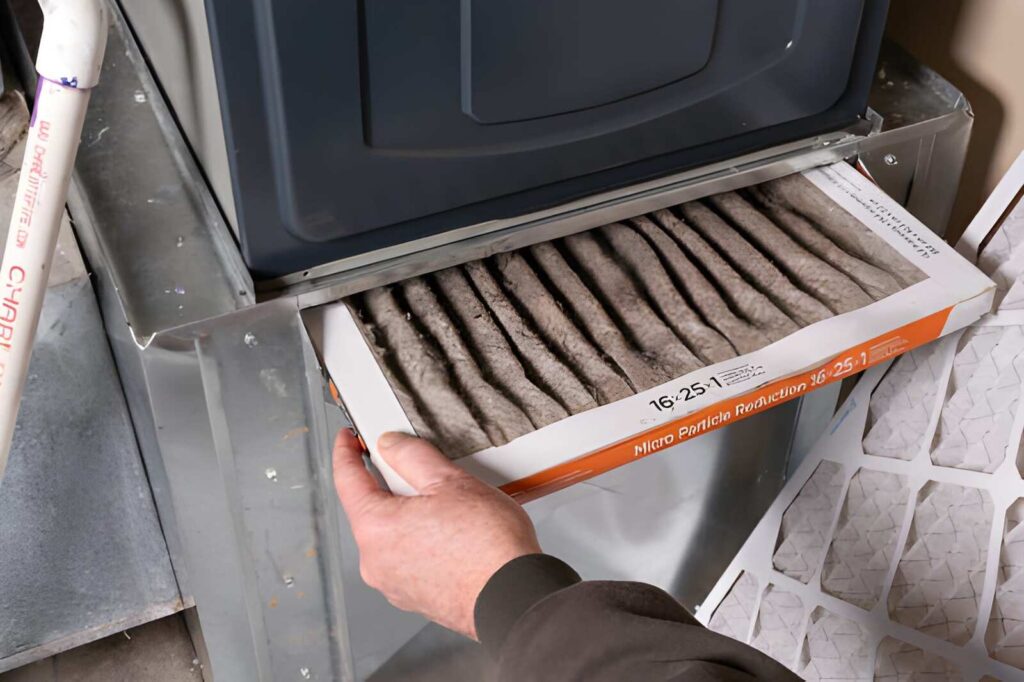
Your heater filter is on the front lines, capturing dust, pollen, mold spores, and pet dander that can trigger allergies and breathing issues. Filters with a MERV rating of 8–11, for example, can trap up to 95% of these airborne nasties, leading to noticeably fresher indoor air and fewer allergy flare-ups for everyone in your home or business.
When you change your filter regularly, you stop dust from settling on your blower fan and heat exchanger, preventing it from getting recirculated into your living space. Less dust in the air means less dusting for you and a cleaner-running HVAC system. This improved air quality is just the first of many benefits, leading us right into how much you can save on energy.
Unlock Energy Savings with Timely Filter Changes
A dirty filter is like a roadblock for your system, forcing your blower motor to work much harder and gobble up more electricity. Experts say changing your filter as recommended can cut your heating costs by 5% to 15%. Imagine a simple filter swap reducing your blower’s energy draw by up to 20% – that’s real savings on your monthly bill!
When air flows freely, your system heats up faster and distributes air more evenly, meaning it doesn’t have to run as long. This efficient operation prevents overheating and keeps your system running smoothly, which is great for your wallet and the planet. For our friends in Fort Bend, understanding these energy impacts is key to a smart, long-term maintenance plan.
Extend Your HVAC System’s Life with Regular Filter Swaps
A clogged filter can push dust and debris into your blower coils, heat exchanger, and ductwork, leading to premature wear and tear and costly repairs down the line. Clean filters protect your system’s components by keeping moving parts free from abrasive particles that cause them to fail sooner. Your heat exchanger stays at a stable temperature, and motors run cooler, meaning fewer breakdowns and longer service life.
Industry data suggests that consistent maintenance, like changing your filter every three months, can add up to five years to your HVAC system’s lifespan. Less strain on the mechanics means fewer service calls and lower repair bills over time. This durability is a huge perk, and it all starts with choosing the right filter for your system.
Choosing the Right Furnace Filter for Your Home
Furnace filters come in various materials and efficiencies, each affecting airflow differently. Here are four common types, each suited for different needs:
| Filter Type | Efficiency (MERV Range) | What It Does Best | Typical Price |
|---|---|---|---|
| Fiberglass | 1–4 | Catches basic dust | About $3–$6 per filter |
| Pleated | 5–13 | Good balance of filtration and airflow | About $7–$15 per filter |
| Electrostatic | 6–12 | Uses static to grab tiny particles | About $10–$20 per filter |
| HEPA-compatible | 13–16 | Top-notch allergen removal | About $20–$40 per filter |
Each filter has its pros and cons. Fiberglass filters let air pass through easily but don’t catch much. HEPA-grade filters are amazing at trapping particles but might restrict airflow in older systems. Understanding these differences helps you pick the best filter, which then influences how often you’ll need to change it and how efficiently your system runs.
What Are Fiberglass, Pleated, Electrostatic, and HEPA Filters?
Fiberglass filters are made with layers of glass fibers, great for catching larger dust particles. Pleated filters use folded material to increase surface area, capturing smaller bits without making it too hard for air to pass through. Electrostatic filters create a static charge that attracts fine dust and pollen, improving their capture rate. HEPA-compatible filters use dense media to trap up to 99.97% of particles as small as 0.3 microns, making them ideal for allergy-sensitive homes. Each design balances how well it filters with how much airflow it allows.
How MERV Ratings Help You Pick the Best Filter
MERV stands for Minimum Efficiency Reporting Value, and it’s a rating from 1 to 16 that tells you how effective a filter is at trapping particles. Lower MERV filters (1–4) catch big stuff like lint. Mid-range filters (5–12) grab finer particles like mold spores and household dust. High-MERV filters (13–16) offer near-HEPA performance, capturing tiny allergens and smoke particles. A MERV 8 pleated filter usually captures about 85% of particles without hindering airflow too much. A MERV 13 filter can capture up to 90% of tiny allergens but might need a stronger blower motor. It’s all about finding the right balance for your system.
Which Filters Are Best for Homes with Allergies or Pets?
If you have pets or family members with allergies, you’ll want to look at pleated or electrostatic filters with a MERV rating of 11 to 13. These do a great job of capturing pet dander, pollen, and fine dust while still allowing good airflow. HEPA-compatible filters offer the ultimate in allergen removal, but they might require an HVAC system upgrade to handle the airflow. Electrostatic filters can often be washed and reused, though their performance might decrease over time. The key is to choose a filter that works well with your system’s airflow and your home’s specific needs.
How to Pick the Perfect Filter for Your HVAC System
To find the right filter, start by measuring your current filter’s dimensions. Then, check your HVAC system’s specifications to see what kind of airflow it can handle. Think about what’s most important to you – saving energy, improving air quality, or managing allergies. For most homes, a MERV 8 pleated filter is a solid choice. If allergies are a concern, a MERV 11–13 filter might be better, as long as your system can handle it. Always check your HVAC manufacturer’s recommendations for the maximum MERV rating to avoid restricting airflow. Getting this right ensures your system runs efficiently and keeps your home comfortable.
How Often Should You Swap Your Heater Filter?
How long your furnace filter lasts depends on the type of filter, how dusty your home is, and how much you use your heating system. Generally, you’ll want to change basic fiberglass filters about every month, pleated filters every 1 to 3 months, and high-efficiency filters every 1 to 2 months. If you have pets, allergies, or live in a dusty area, you might need to change it more often. A quick visual check will tell you if it’s time for a fresh one.
Sticking to a schedule prevents your system from working too hard, keeps energy bills down, and ensures the air you breathe stays clean. Things like allergy season or colder weather when you’re using your heater more can also mean you need to change filters more frequently. Knowing these factors helps you create a maintenance routine that keeps your system running at its best.
General Guidelines for Filter Replacement
- Fiberglass filters: Aim for every 30 days.
- Pleated filters (MERV 8–11): Usually good for 60–90 days.
- High-efficiency filters (MERV 12+): Plan to replace every 45–60 days.
These are general guidelines for average use. If you have pets, lots of pollen in the air, or more people in the house, you might need to change filters twice as often. Keeping up with these changes is a great way to balance effective filtration with smart spending.
What Factors Can Affect How Often You Change Your Filter?
Some things can make your filter fill up faster:
- Pets shedding fur and dander regularly.
- High pollen counts during allergy seasons.
- Dusty or smoky air from outside.
- Running your HVAC system constantly in extreme weather.
When your home has more pollutants, your filter’s life gets shorter, so it’s smart to check it visually. If you see a lot of dust buildup or notice your airflow isn’t as strong, it’s definitely time for a change. Keeping these factors in mind helps ensure your system always runs efficiently.
Signs Your Furnace Filter Needs Replacing
- The filter looks visibly dirty, caked with dust.
- Airflow from your vents seems weaker, or your heating cycles are longer.
- You hear unusual noises from your furnace, like the blower is struggling.
- Dust seems to be accumulating faster on your furniture and surfaces.
- Your energy bills are creeping up without any changes to your thermostat settings.
These are all signs that your filter is clogged and restricting airflow. Taking care of it quickly will restore your system’s performance and prevent potential damage. Recognizing these signs is the first step to getting your system back in top shape, and the next step is learning how to change it yourself.
Your Easy DIY Guide to Changing Your Furnace Filter
Swapping out your furnace filter is a simple task that most homeowners can do in less than 15 minutes with just a few basic tools. Following these steps will help you keep your indoor air fresh, your energy bills low, and your HVAC system running smoothly for years to come.
What Tools Do You Need for a Filter Change?
- A new filter that’s the right size and MERV rating for your system.
- A flashlight to help you see in darker areas where the filter might be.
- A soft brush or vacuum with a brush attachment for cleaning the filter area.
- A screwdriver, just in case your filter housing is secured with screws.
Having these items ready means you can get the job done quickly and efficiently, getting your system back to optimal airflow in no time.
Safety First: Precautions Before You Start
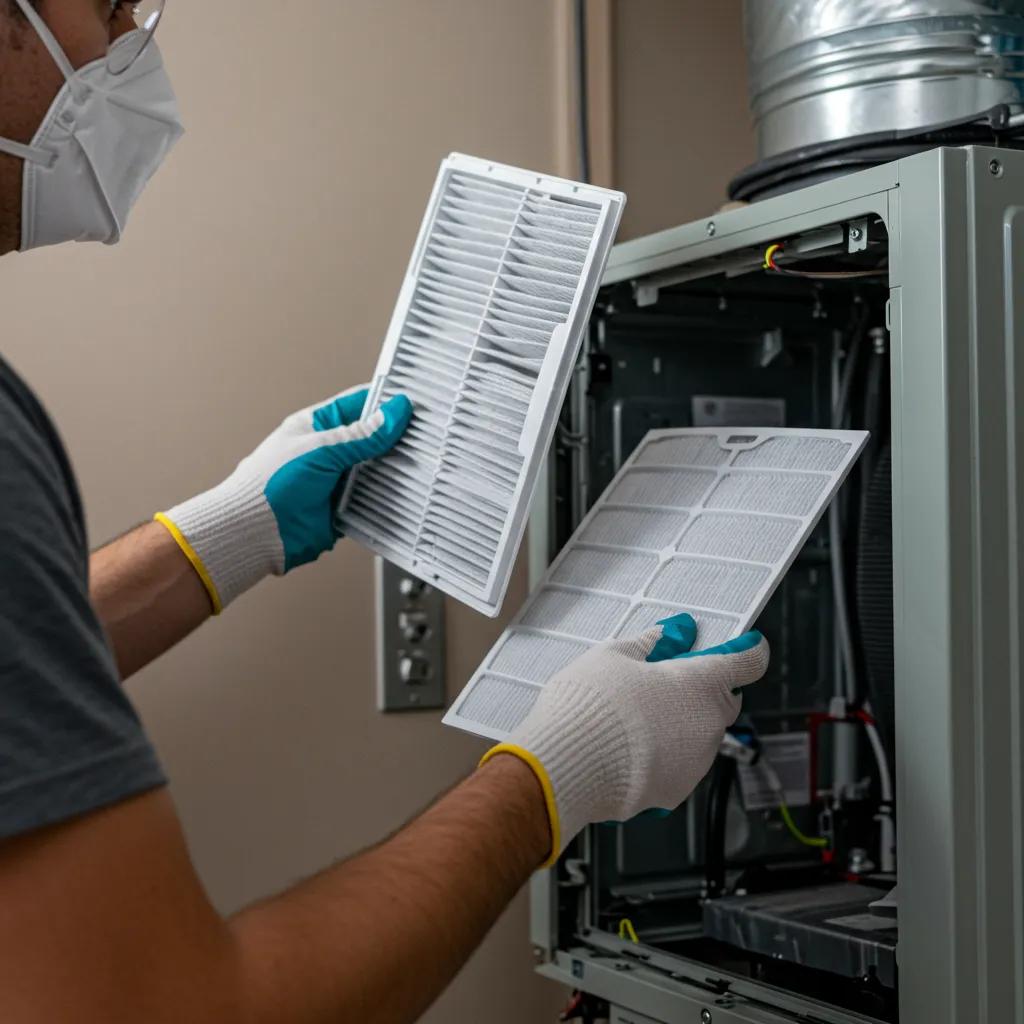
Before you do anything else, turn off your system’s power at the thermostat and the main circuit breaker. This prevents the system from accidentally turning on while you’re working. It’s also a good idea to wear a dust mask and gloves, especially when handling a dirty filter, to avoid inhaling dust and allergens. Make sure the area around your furnace is clear so you don’t trip. Taking these simple safety steps protects you and your equipment.
Finding and Removing Your Old Furnace Filter
You’ll usually find the filter housing along the return air duct or inside the furnace itself, near the blower. Look for an arrow on the filter frame – it shows which way the air flows, pointing *towards* the furnace. Gently slide out the old filter, being careful not to shake loose any trapped dust. If there’s an access panel, you might need a screwdriver to open it. Once it’s out, you’ve completed the removal step!
Cleaning the Filter Area Before Installing the New One
Take a moment to look inside the filter slot and the surrounding area. Use your vacuum’s nozzle attachment to suck up any dust that has settled, and a soft brush to sweep away any remaining debris. Wiping the area with a dry cloth ensures your new filter will fit snugly, preventing any air from sneaking around the edges. This quick clean-up helps your new filter work its best and prevents it from getting clogged too quickly.
Installing Your New Filter the Right Way
Match the dimensions of your new filter to the opening, and make sure the airflow arrow on the frame points in the same direction as the old one – towards the furnace. Slide the new filter all the way into the slot until it sits flush against the housing. Double-check that there are no gaps around the edges where air could bypass the filter. Getting it seated correctly is key to ensuring optimal filtration.
Wrapping Up: Final Steps After the Filter Change
Turn the power back on at the circuit breaker and your thermostat, then switch your system back on. Listen to make sure the blower sounds normal and check that the airflow from your vents feels balanced. It’s a good habit to write the date of the filter change on the filter itself or in a maintenance log so you know when to change it next. Once you’ve verified everything is running smoothly, you’re all done!
Cost of Heater Filter Replacement in Fort Bend, Texas
Investing in filter maintenance pays off both immediately and in the long run. When you do it yourself, the only cost is the filter itself. If you opt for professional service, you’ll also pay for the technician’s time and expertise. Knowing the local pricing helps you budget effectively.
| Service Type | Typical Price Range | What’s Included | The Upside |
|---|---|---|---|
| DIY filter purchase | About $5–$40 per filter | Just the replacement filter | Low upfront cost, you’re in control |
| Professional filter replacement | About $50–$120 per visit | Filter swap, safety checks, quick system inspection | Expert installation, a professional check-up |
Professional service costs can vary depending on the type of filter, how easy it is to access your system, and if any extra maintenance is done. While DIY is usually the most budget-friendly option for regular changes, professional service ensures the job is done right and can uncover potential issues you might miss. Understanding these costs helps you make the best choice for your home.
How Much Does a DIY Furnace Filter Cost?
You can find basic fiberglass filters for as little as $5. Pleated filters (MERV 8–11) typically range from $10 to $20, and high-efficiency HEPA-compatible filters can cost between $25 and $40. Buying filters in multi-packs can often save you money per filter. These prices reflect what you’d typically find at local stores here in Fort Bend, allowing you to choose a filter that fits both your system’s needs and your budget.
What’s the Usual Cost for Professional Filter Replacement?
Local HVAC companies generally charge between $50 and $120 for a filter replacement visit. This price can change based on the filter type and how accessible your furnace is. This service usually includes ensuring the power is safely off, installing the correct filter, checking airflow, and a quick look at your system’s overall health. Always ask for a clear breakdown of filter and labor costs upfront so you know exactly what you’re paying for.
How Professional Service Can Save You Money Over Time
When you choose a professional service like Lazarine A/C Heat & Electric for your filter replacement, you get more than just a new filter. Our technicians perform inspections, offer advice on the best filter choices, and can spot potential problems early. This preventative care helps avoid costly repairs down the road. Plus, ensuring your filter is correctly installed and changed on time boosts energy efficiency, lowering your monthly bills and extending your HVAC system’s life. It’s an investment that truly pays for itself.
When It’s Time to Call a Pro for Heater Filter Replacement
While changing your own filter is usually straightforward, some situations call for a professional touch. If your system is complex, hard to access, or you suspect underlying issues, an expert can ensure the job is done correctly and identify problems you might overlook.
What Complex HVAC Systems Need Expert Help?
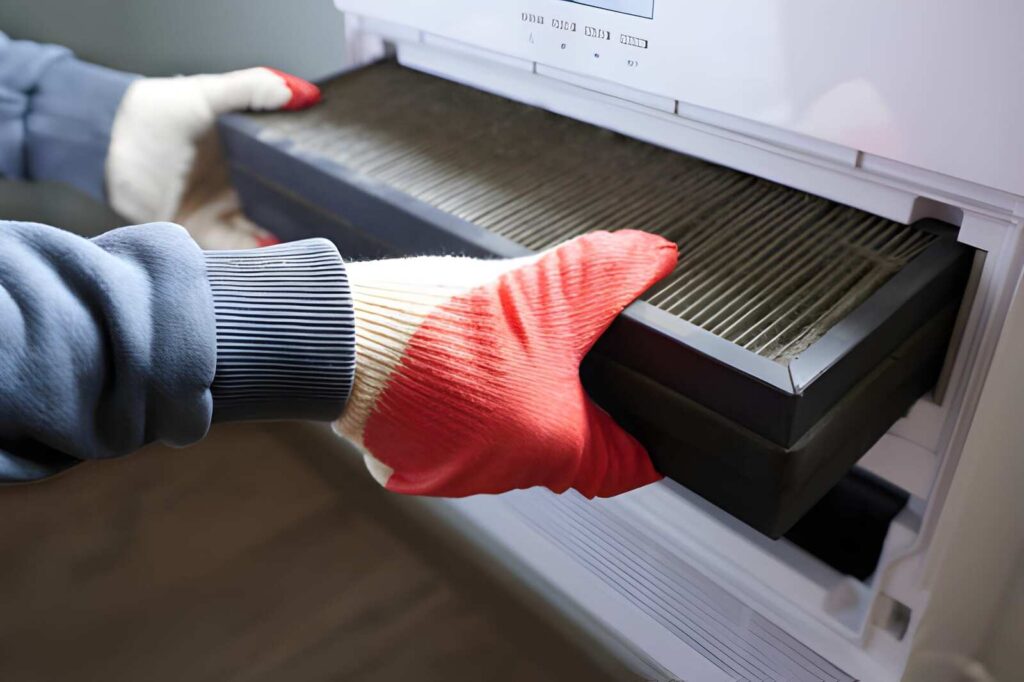
Some systems, like high-efficiency furnaces, multi-zone setups, integrated air purifiers, or commercial units, have more intricate filter designs. These require specific filter sizes, precise airflow adjustments, and careful handling of electrical components. Calling a certified technician prevents mistakes that could damage expensive parts.
What Are the Perks of Professional Filter Replacement?
- Expert advice on the best filter type and MERV rating for your specific system.
- Guaranteed correct installation, preventing air leaks around the filter.
- Thorough safety and performance checks to catch potential issues early.
- Detailed maintenance records to help you stay on track with future service.
How Lazarine A/C Heat & Electric Serves Fort Bend Customers
Lazarine A/C Heat & Electric has been proudly serving Fort Bend and the surrounding areas since 2000. We specialize in keeping homes and businesses comfortable with expert heating and cooling services, including professional filter replacement. Our team combines years of local experience with a commitment to top-notch customer service, ensuring every visit delivers quality and peace of mind. Schedule your professional filter change with us and experience the difference expert care makes!
Finding the Right Filter Size for Your HVAC System
Getting the right filter size is crucial for preventing air leaks and ensuring your system operates at peak efficiency. Measuring your current filter and checking your system’s manual are the best ways to ensure you get the correct dimensions.
How to Measure Your Current Furnace Filter
Your filter’s frame will have its dimensions printed on it, usually in length, width, and depth (like 16 × 25 × 1 inches). Take out the old filter and measure these three sides carefully with a tape measure. Keep in mind that some manufacturers might round the measurements to the nearest inch, so always go by the size printed on the filter itself. This step is key to avoiding the hassle of ordering the wrong size.
Why the Correct Filter Size is So Important
Using the right-sized filter ensures a snug fit within the housing, preventing any unfiltered air from bypassing the filter. This maintains the system’s designed static pressure, which helps your blower motor run efficiently and distribute heat evenly. An incorrectly sized filter can lead to air leaks, wasted energy, and uneven temperatures throughout your home, putting unnecessary strain on your equipment.
Common Filter Sizes for Homes and Businesses
For most homes, you’ll find common filter sizes like 14 × 20 × 1, 16 × 20 × 1, and 16 × 25 × 1 inches. Commercial buildings might use larger or custom sizes, such as 20 × 20 × 2 or 24 × 24 × 4 inches. Always double-check the exact size printed on your current filter or in your system’s documentation before buying replacements.
Got Questions About Heater Filter Replacement? We’ve Got Answers!
How often should I change my furnace filter? Generally, every 30 days for basic filters, 60–90 days for standard pleated filters (MERV 8–11), and 45–60 days for high-efficiency filters. Change them more often if you have pets or live in an area with high pollen counts.
Can I change my furnace filter myself? Absolutely! Most homeowners can safely change their filters by turning off the system power, locating the filter housing, and ensuring the new filter is installed with the airflow arrow pointing correctly. Complex systems might be best left to the pros.
What happens if I don’t change my furnace filter? A neglected filter restricts airflow, leading to higher energy bills, less effective heating, more dust in your home, and premature wear on your HVAC system.
Which way does the arrow go on a furnace filter? The arrow on the filter frame should always point in the direction of airflow – towards your furnace or blower fan.
What MERV rating is best for my home? For a good balance of filtration and airflow, MERV 8–11 pleated filters are great for most homes. If you have allergy sufferers or pets, consider a MERV 13 if your HVAC system can handle the slightly increased airflow resistance.
Schedule Heater Filter Replacement with Lazarine A/C Heat & Electric
Let our experts handle your filter replacement to ensure it’s done right and your system is inspected. Lazarine A/C Heat & Electric makes booking your service appointment simple and convenient.
How to Book Your Service Appointment
Give us a call or send us an online message with your property details, system type, and filter needs. We’ll confirm your appointment time and schedule a technician to visit at your convenience.
What to Expect During a Professional Filter Replacement Visit
Our certified technician will arrive on time, safely power down your system, inspect your current filter and housing, clean the area, install the correct filter size and MERV rating, and perform a safety and performance check. You’ll receive maintenance tips and reminders for your next filter change.
How Regular Professional Maintenance Benefits Your HVAC System
Routine visits from our technicians mean thorough inspections, early detection of potential issues, and optimal filter selection. This ensures energy savings, better indoor air quality, and a longer lifespan for your equipment. Consistent professional care leads to reliable heating and lower long-term costs.
Keeping your heater filter clean is one of the easiest yet most effective ways to ensure healthier air, save money on energy, and keep your HVAC system running smoothly for years to come. Whether you prefer a DIY approach or want the peace of mind that comes with expert service from Lazarine A/C Heat & Electric, timely filter replacement is key to protecting your investment and enjoying consistent home comfort. Schedule your next filter change today and start breathing easier!